
Flood Museum
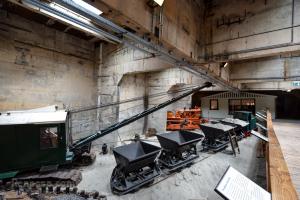
The Watersnoodmuseum in Ouwerkerk on Schouwen-Duiveland is the national knowledge and memorial centre for the 1953 flood. It is housed in four concrete caissons that closed the last dike breach in 1953.
What can you expect at the Watersnoodmuseum?
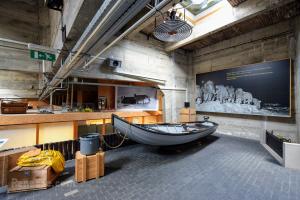
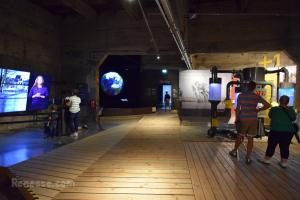
- The four Phoenix caissons themselves, linked by corridors.
- The 1835+1 memorial with the names of all the victims.
- A replica of a donated emergency house from the rebuilding years.

Practical information
- Ideal for: Moving for adults and older children. The museum won the Siletto Award in 2011.
- Surroundings: Combine your visit with Zierikzee or a trip along the Oosterschelde.
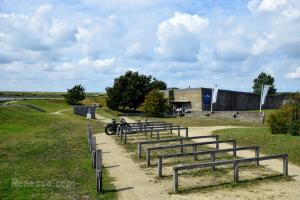
The Watersnoodmuseum makes the 1953 disaster tangible and shows how the Netherlands lives with water.
For information
Watersnoodmuseum
Weg van de Buitenlandse pers 5, Ouwerkerk
tel. +31 111 644 382
web. Website
 Display Flood Museum